Radon Fan Replacement: When and Why to Upgrade Your Mitigation System
When you have a radon mitigation system in your home, the fan is the part that does the real work. It runs continuously, often for years, pulling radon-laden soil gas from beneath the slab and venting it safely above the roofline. Over time, that constant operation takes a toll. A fan motor can wear out, lose efficiency, or fail completely. That is when a radon fan replacement becomes necessary. I have seen many homeowners in York County put off this repair, not realizing how much their indoor air quality depends on a properly functioning fan.
A failing fan does not always stop running all at once. Sometimes it just slows down, or it starts making a hum that was not there before. The manometer on your system might show a drop in the pressure reading, which tells you the fan is not pulling as hard as it should. If you notice radon levels creeping up on your radon detector, that is another clear sign. In those situations, ignoring the problem only makes it worse. A prompt radon fan replacement can restore your system to full performance and keep your family safe.
How a Radon Mitigation System Works
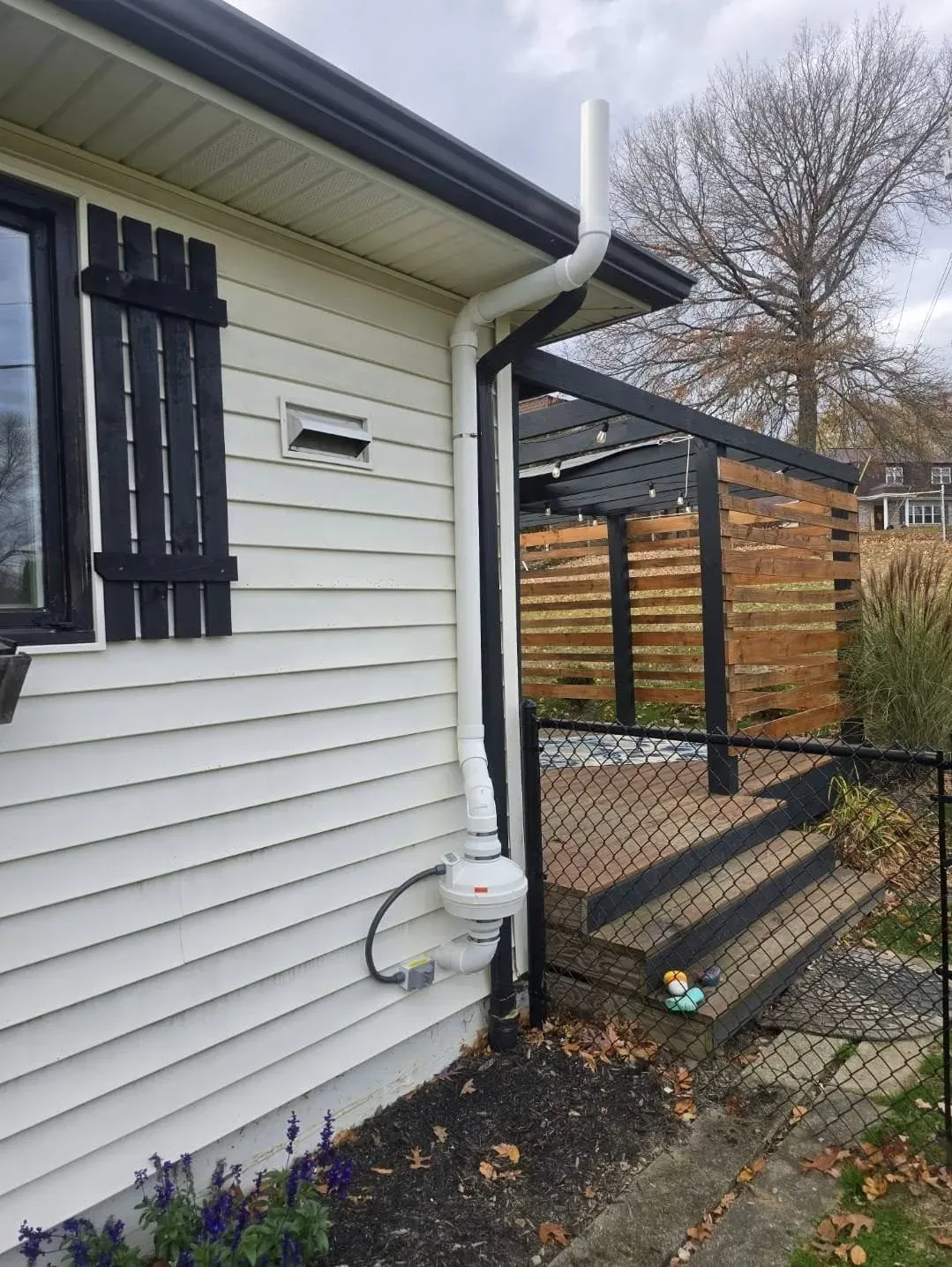
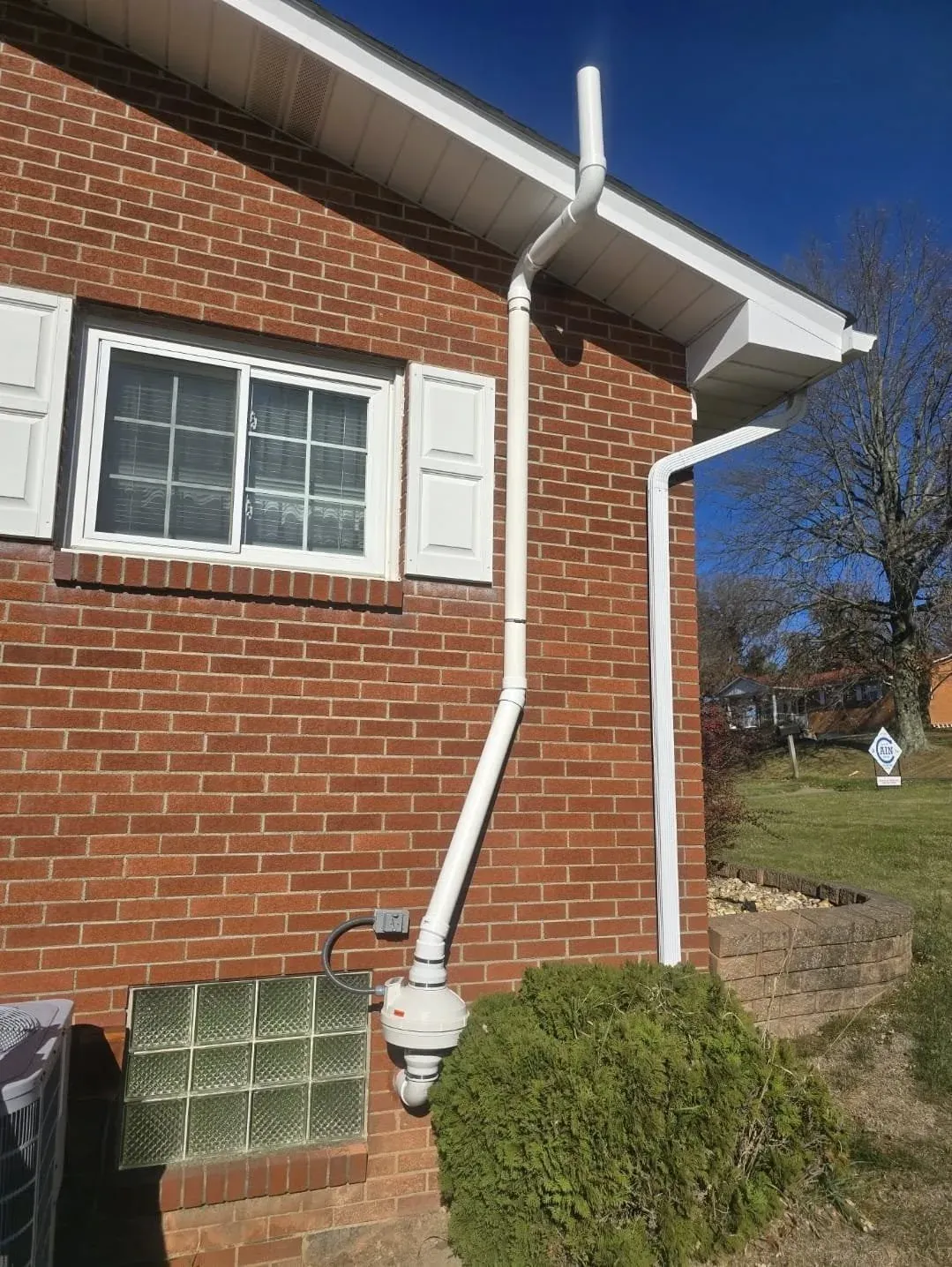
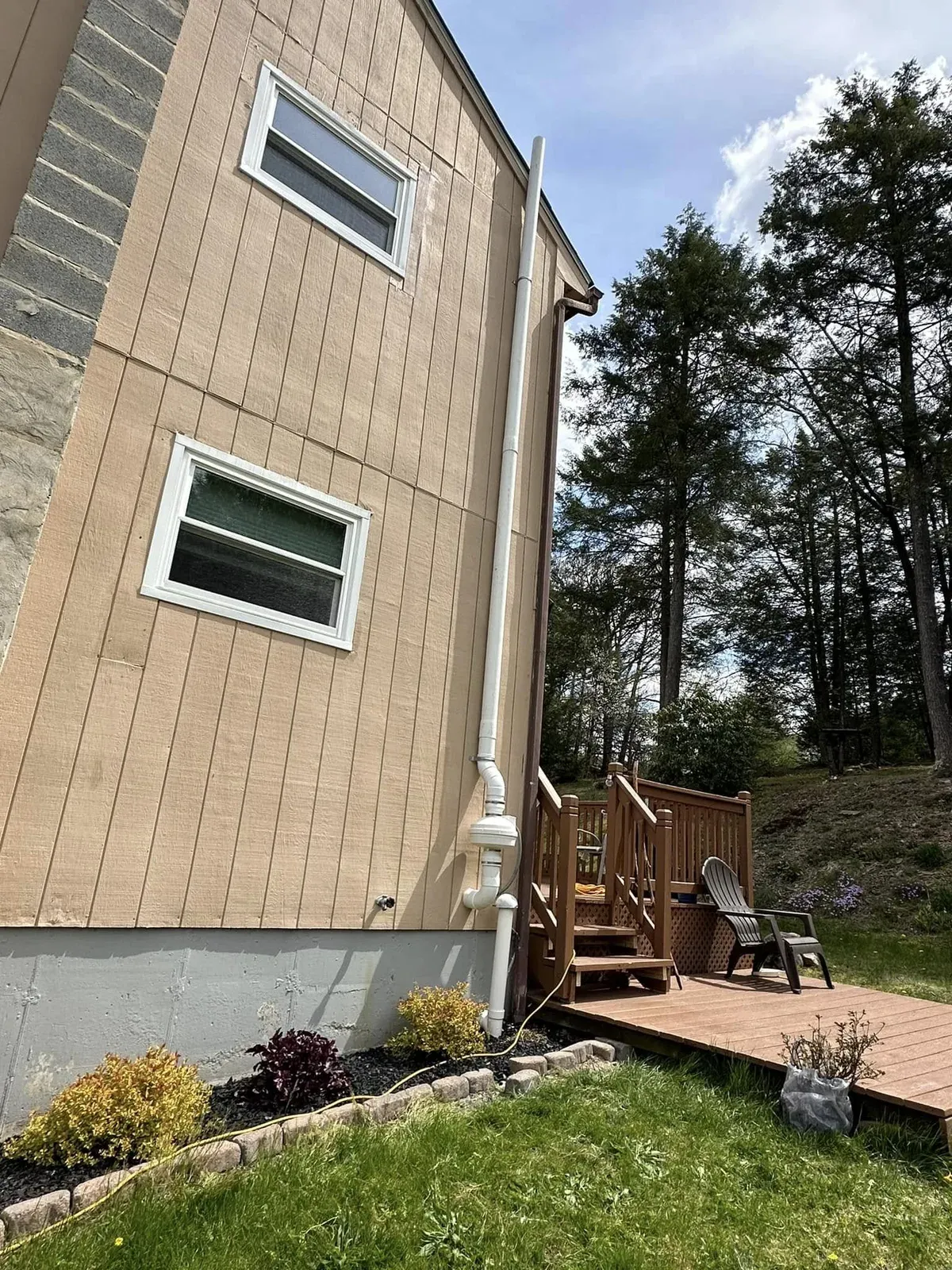
Most homes in Pennsylvania with elevated radon levels use a sub-slab depressurization system. A contractor drills a hole through the concrete floor, digs out a small pit below, and runs PVC piping from that pit up through the house to the outside. The fan, usually mounted in the attic or on the exterior wall, creates negative pressure under the slab, drawing soil gas up the pipe and discharging it above the roofline. This is the standard approach recommended by the EPA for new construction and retrofits alike.
The fan is the heart of that system. It has to run 24 hours a day, 365 days a year, for the life of the installation. Most quality fans, like those from RadonAway, are rated for five to ten years of continuous service. But no machine lasts forever. Bearings wear down, the fan motor can overheat if the attic gets too hot, and debris can build up on the blades. When the fan fails, the entire system stops working. That is when you need a fan replacement.
Signs You Need a Radon Fan Replacement
You do not have to wait until the fan quits entirely. There are several signs that a replacement is coming soon. First, check your manometer. This simple device, usually a U-shaped tube with colored liquid, shows the static pressure the fan is generating. If the reading is noticeably lower than when the system was installed, the fan may be losing capacity. Second, listen to the fan. A healthy fan runs quietly. If you hear rattling, grinding, or a persistent whine, the bearings are likely failing. Third, monitor your radon levels. If your radon detector shows levels climbing back toward the EPA action limit of 4 picocuries per liter, and you have not changed anything else in your house, the fan is a likely culprit.
Another subtle sign is a change in the sound of the exhaust. Some fans have a soft whoosh of air at the roof vent. If that sound gets weaker, or if the vent seems to be putting out less air, the fan is struggling. In my experience, catching these signs early saves money. A planned fan replacement costs less than an emergency call on a weekend.
What a Radon Fan Replacement Involves
A typical fan replacement takes a skilled installer an hour or two, but the details matter. The old fan has to be disconnected from the PVC piping and the electrical supply. The new fan should match the airflow and pressure rating of the original system. Using a different model can throw off the balance of the sub-slab depressurization. Dan Jenkins, who does a lot of this work in York County, always checks the existing pipe size and the total run length before selecting a replacement fan.
The replacement parts themselves are straightforward. You get a new fan, a gasket or sealant for the pipe connections, and sometimes a new electrical junction box if the old one is corroded. The fan warranty is worth paying attention to. Most RadonAway fans come with a five-year warranty, but some budget units only offer one year. I recommend sticking with a well-known brand because the warranty is only as good as the company behind it. A five-year fan warranty gives you peace of mind that the manufacturer stands behind the product.
Installation Cost and Considerations
The installation cost for a radon fan replacement varies by region and the specifics of your house. In Pennsylvania, homeowners typically pay between three hundred and six hundred dollars for the job, including the fan and labor. That is a fraction of what a full radon mitigation system costs to install from scratch. The price depends on fan model, accessibility of the installation location, and whether any wiring upgrades are needed.
One thing that can increase the cost is if the old fan was installed with cheap sealant or poor workmanship. I have seen fans that were glued in place with such thick sealant that the PVC piping had to be cut and extended. That adds time and materials. A good installer uses sealant sparingly and leaves the system serviceable for future replacements. When you hire someone like Dan Jenkins, you get transparent pricing upfront, so there are no surprises.
Choosing the Right Replacement Fan
Not all fans are the same. The right one for your system depends on the size of your house, the soil conditions beneath the slab, and the length and diameter of your PVC piping. A fan that is too weak will not pull enough negative pressure under the slab. A fan that is too powerful can waste electricity and may pull too much conditioned air out of your house, increasing your heating and cooling bills.
RadonAway makes a range of fans that cover most residential applications. Their RP series is popular for standard homes, while the HP series handles larger houses or tighter soil conditions. The fan motor in these units is designed for continuous operation, and they come with a solid fan warranty. I always advise homeowners to check the fan warranty when buying a replacement. A longer warranty usually means the manufacturer has confidence in the product.
Another factor is noise. Some older fans are louder than newer models. If your fan is near a bedroom or living space, consider a quieter model. The installer can also add a sound-dampening section of PVC piping to reduce noise further. It is a small upgrade that makes a big difference in comfort.
When to Call a Professional
I have met homeowners who want to replace the fan themselves to save on installation cost. It is not a simple swap. The fan has to be wired correctly, the PVC connections must be airtight, and the system needs a diagnostic test afterward to confirm it is working properly. A professional uses a manometer to verify that the new fan is generating the correct pressure under the slab. They also check the radon levels with a radon detector after the replacement to make sure the system is bringing levels back down.
In York County, radon levels can be stubborn. Some homes have very permeable soil that requires a lot of suction. Others have tight clay that needs a different approach. A local expert like Dan Jenkins understands these conditions. He has seen every kind of system and knows which replacement parts work best in each situation. Hiring someone who does this work every day is worth the cost.
Maintaining Your System After Replacement
Once you have a new fan installed, you want it to last. Keep an eye on the manometer monthly. If the reading changes, something is wrong. Keep the area around the fan clear of debris and insulation. In the attic, make sure the fan is not buried under loose fill insulation, which can block airflow and cause the fan motor to overheat. Also, test your radon levels every two years or after any major renovation. The EPA recommends that schedule for all homes.
A properly maintained radon mitigation system can keep your indoor air quality safe for decades. The fan is the only moving part, so it is the only component that needs periodic replacement. When the time comes, a radon fan replacement is a straightforward fix that restores full protection. Do not wait until your radon detector shows high levels. Act on the early signs, and your family will breathe easier.
Ends · GETRADONFANREPLACEMENTSITE